Coastal Resource Staffing

Coastal Labor Review

Field notes from ports yards and logistics corridors

Source-led briefings prepared by Marcus Bell for employers and professionals in this market.

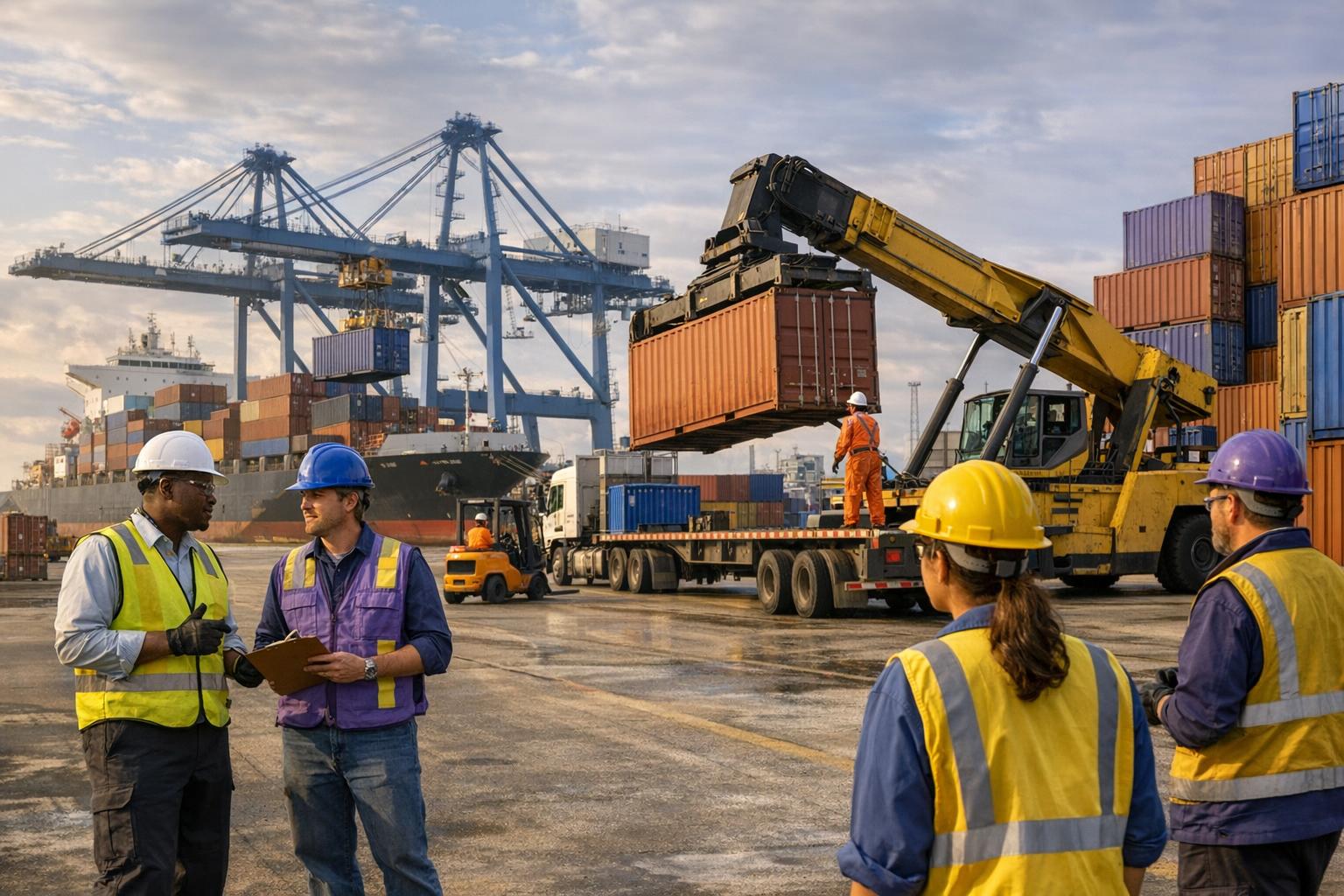
Container port activity along the Southeast coast with cranes, trucks, and terminal labor operations

port staffing Southeast

Port Labor Demand Along the Southeast Coast

Cargo volume points to where staffing pressure is likely to be strongest along the Southeast coast, but the best federal data stop short of port-by-port hiring counts. Here is what employers and trades professionals can say with confidence about demand in Savannah, Charleston, Jacksonville, and Mobile.

Read briefing →

Skilled marine trades professionals working in a U.S. shipyard on welding, electrical, and vessel repair tasks

shipyard staffing

Marine Trades Skills That Shipyards Need Most

U.S. labor data suggests shipyard staffing pressure is highest where broad-demand skilled trades overlap with specialized marine work, especially in electrical, welding, fitting, and service roles.

Read briefing →
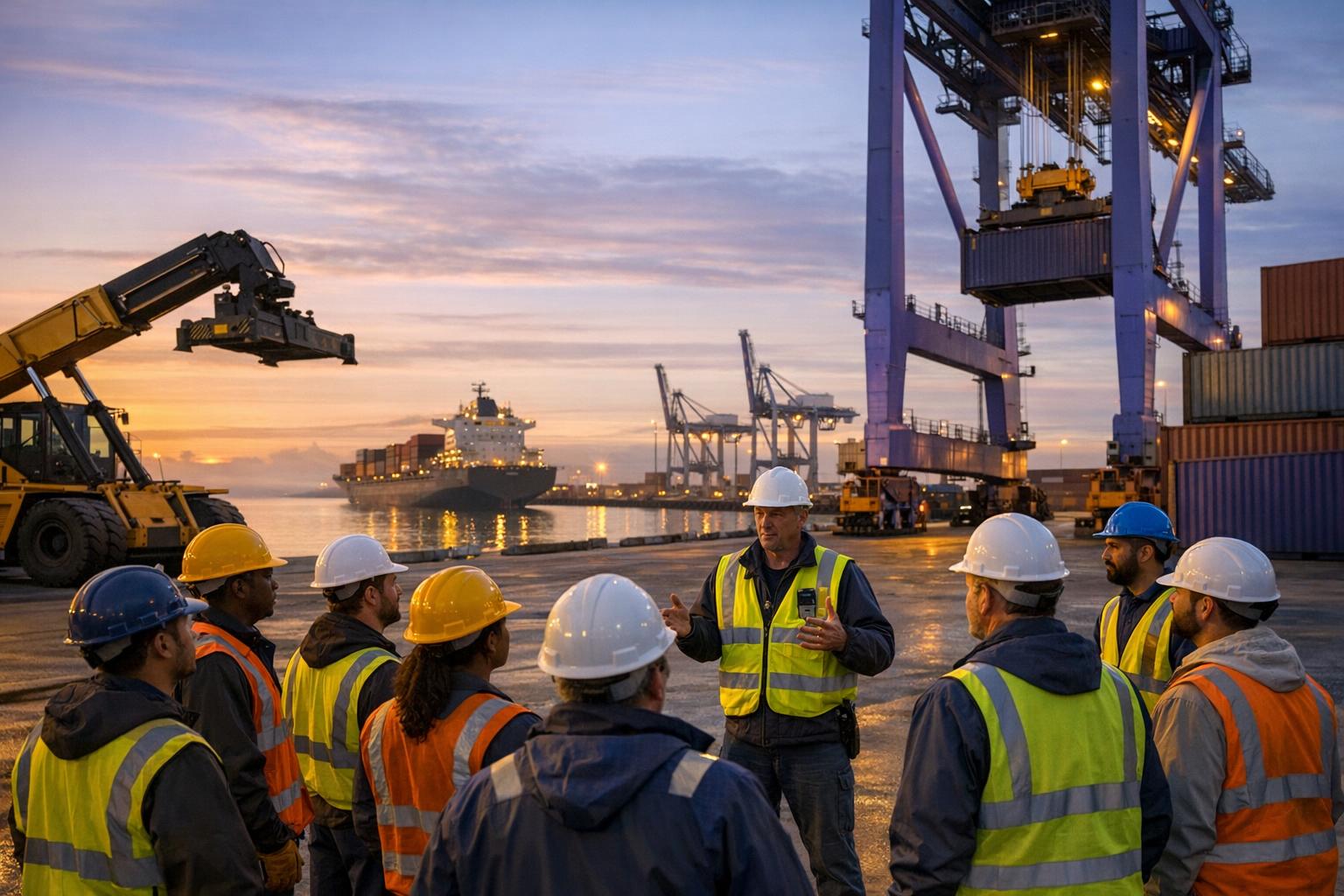
Port workers and equipment operating in a marine terminal with visible traffic lanes and safety gear

port staffing safety

Staffing Port Operations With Safety Built In

Port hiring works better when safety is part of the staffing model from day one. For Southeast coastal employers, that means matching workers to site-specific hazards, training requirements, and operational controls in marine terminals, shipyards, and port-side warehouses.

Read briefing →
Port and logistics workers preparing cargo operations during a busy seasonal shipping window

peak port labor

Preparing Crews for Peak Cargo Windows

For Southeast coastal employers, the strongest staffing plans start with monthly port activity, trade context, and labor-market signals rather than a one-size-fits-all view of seasonality.

Read briefing →
Skilled coastal workers at a port and marine jobsite during a shift change

marine worker retention

Keeping Skilled Coastal Workers on the Roster

For Southeast port, marine, logistics, and skilled-trades employers, marine worker retention is less about slogans than about job quality. Federal data point to shorter tenure and higher injury risk across transportation-related work, making safety, wage clarity, and visible skill progression central to keeping crews staffed.

Read briefing →